What the sticker price leaves out
Most first-time car owners focus on the monthly payment and insurance premium. Those are real costs, but they leave out a category that hits without warning: routine maintenance. A vehicle that runs well still needs regular attention, and that attention costs money on a schedule that does not pause for tight months.
Before you buy, it is worth understanding what ownership actually requires. Our practical cost breakdown for new versus used vehicles covers how depreciation and financing shift the math, but maintenance is the ongoing variable that most buyers underestimate regardless of which route they take.
The mistakes below are not about neglect. Most of them happen because nobody explained the schedule upfront.
Common maintenance mistakes and how to avoid them
Each of the following errors costs more to fix than it would have cost to prevent. They come up repeatedly among first-time owners.
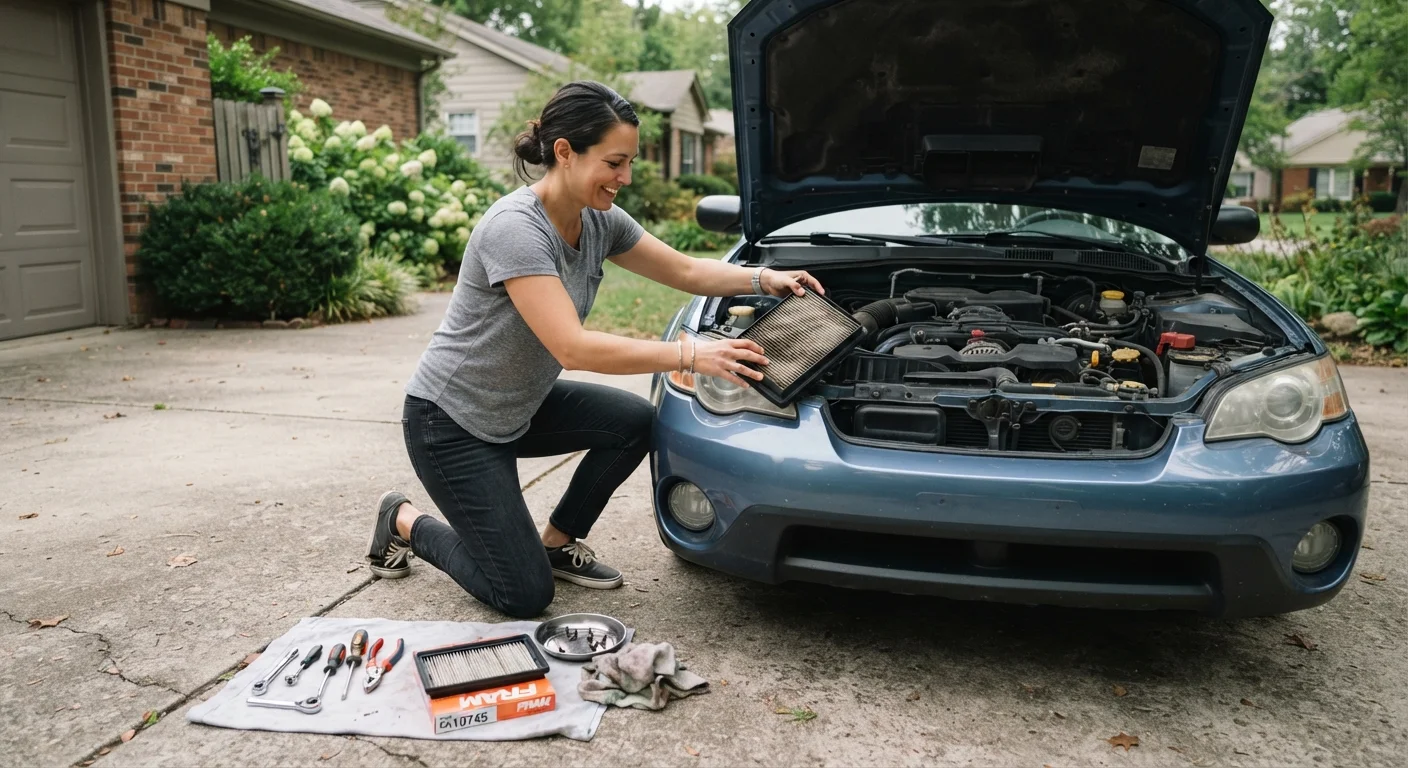
Ignoring the cabin air filter until it fails a shop inspection.
Why it happens: Cabin filters are invisible during normal driving and rarely mentioned at purchase. Many owners do not know the part exists until a technician flags it.
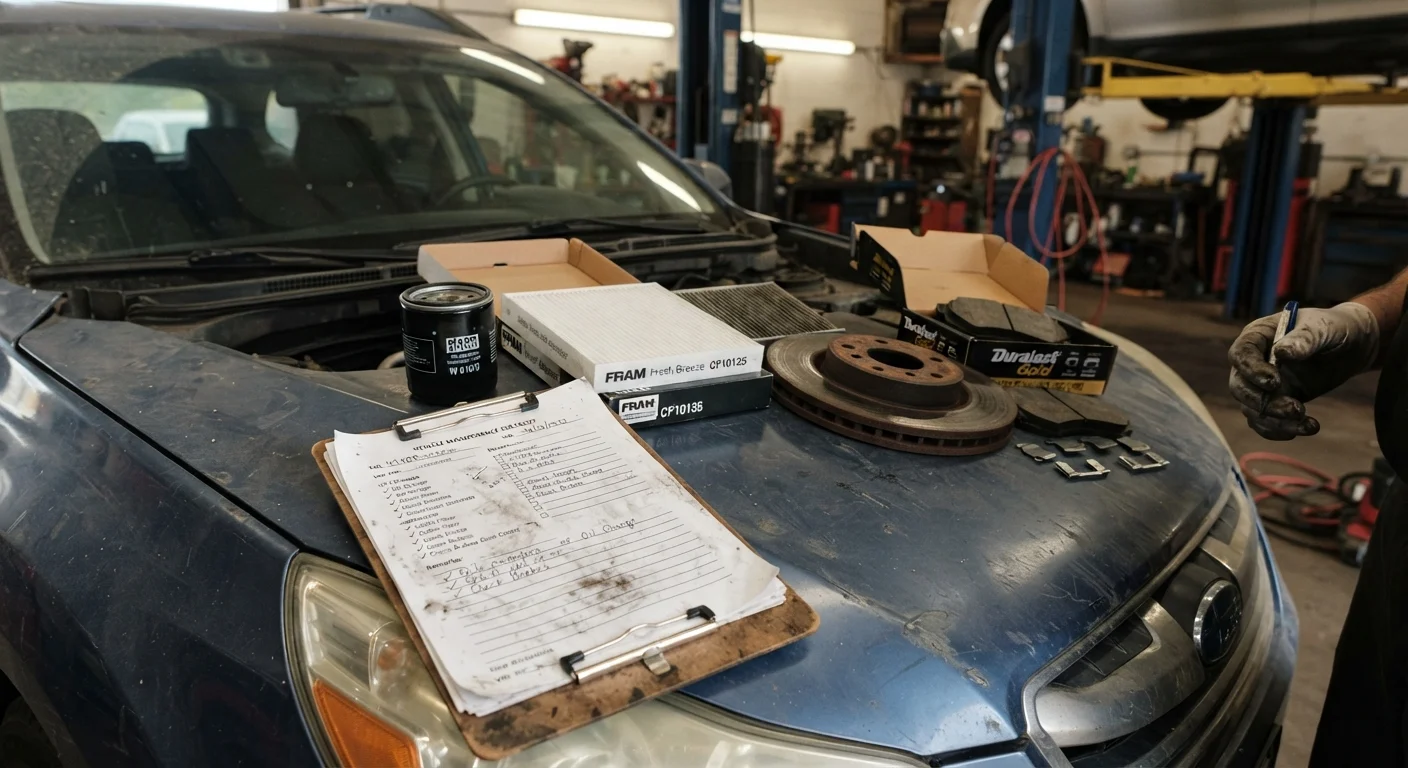
Waiting too long to replace brake pads because the car still stops.
Why it happens: Brakes degrade gradually, so there is no single moment when stopping feels obviously worse. Many drivers delay until they hear grinding, which means the pad material is already gone.
Skipping coolant flushes because the reservoir still looks full.
Why it happens: Coolant (also called antifreeze) does not evaporate or disappear quickly, so the level stays stable long after the fluid has degraded. Owners assume a full reservoir means healthy fluid.
Treating transmission fluid as a sealed, lifetime item.
Why it happens: Some manufacturers label automatic transmission fluid as 'lifetime fill,' which many owners interpret as never needing service. That claim applies to ideal conditions that most real-world driving does not match.
Overlooking battery age until the car fails to start.
Why it happens: A battery gives little warning before it fails, especially in cold weather. Owners who bought a used car often do not know the battery's age, and new-car buyers forget it is a wear item at all.
For a broader look at which of these tasks you can handle yourself versus which ones warrant a shop visit, see our guide on DIY vs. shop decisions for common car repairs.
Building a maintenance budget before you need it
$1,200+
Average annual maintenance cost for a typical passenger car
AAA's annual 'Your Driving Costs' study has consistently placed average maintenance and repair spending for a medium sedan in this range, not counting tires or unexpected breakdowns.
2x
Cost multiplier when worn brake pads damage rotors
Replacing pads alone typically costs significantly less than replacing pads and rotors together; delaying pad service until metal contact occurs is one of the most avoidable cost doublers in routine maintenance.
15,000-25,000 mi
Typical cabin air filter replacement interval
Most vehicle owner's manuals list this range, though driving in dusty or high-pollution environments can shorten the interval considerably.
The most effective approach is to read the owner's manual and locate the manufacturer's maintenance schedule. This document lists every service interval by mileage or time, whichever comes first. It is not a suggestion; skipping items listed there can void a powertrain warranty on newer vehicles.
Once you know the schedule, price out each service at two or three local shops. Knowing what to ask before agreeing to a repair estimate can save a meaningful amount on each visit. Set aside a fixed monthly amount, even a modest one, so that a $300 brake job does not land as an emergency.
If you own or are considering a high-mileage vehicle, the maintenance budget needs to be larger. Understanding the honest tradeoffs of high-mileage ownership lays out what to inspect and what to set aside before committing. Tires deserve their own budget line as well; basic tire care habits extend the life of a set and reduce how often you face that replacement cost.