Why asking the right questions matters
Auto repair is one of the few service industries where most customers approve a purchase before they know the final price. That dynamic puts the driver at a disadvantage, especially if the shop's labor rate, part sourcing, or diagnostic fee isn't discussed upfront. A little preparation closes that gap significantly.
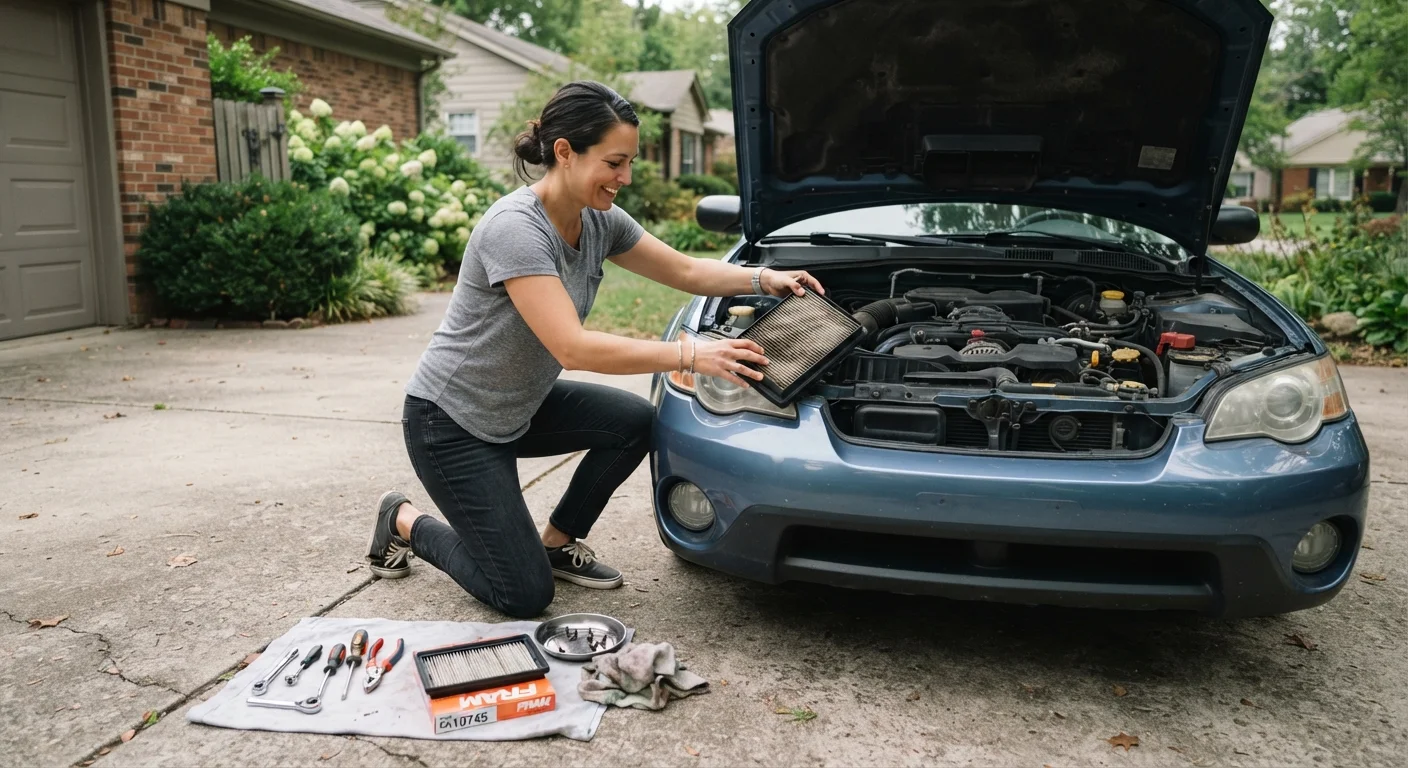
This checklist covers what to ask before you drop off your car, what to confirm when the estimate arrives, and what to verify after you pick up. For context on which repairs are reasonable to handle yourself versus handing off to a professional, see our guide on DIY vs. shop decisions.
Before you drop the car off
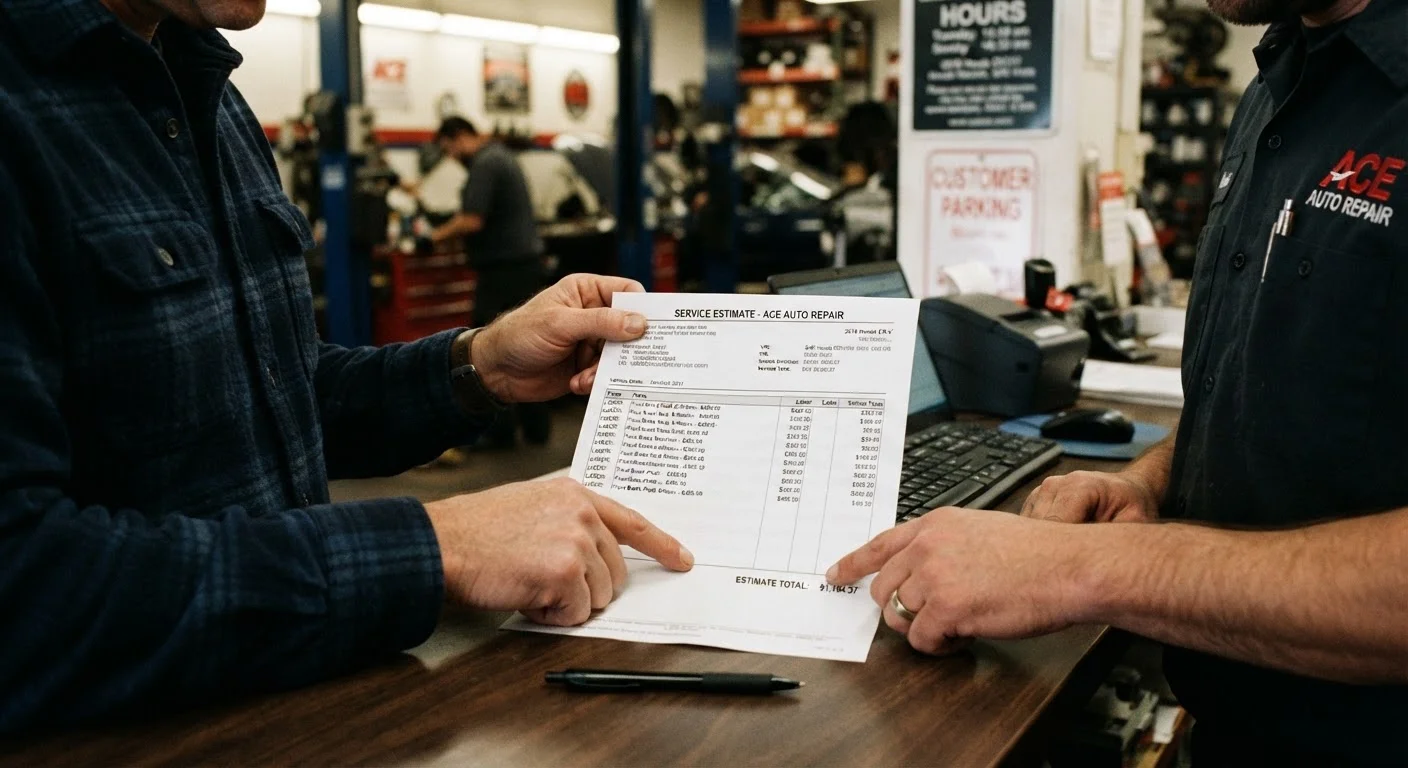
When you receive the estimate
After the repair is done
Tools and resources to have ready
You don't need special equipment to negotiate fairly at a repair shop. You do need a few reference points and a way to document what's agreed to.
Independent repair pricing database
Gives you a realistic labor and parts cost range for common repairs on your specific vehicle make, model, and year before you walk into a shop.
Published labor guide (Mitchell or AllData)
Shows the standard number of labor hours most shops reference when billing for a given job, helping you spot overbilling.
Pen and notepad or notes app
Lets you write down the shop's verbal commitments, estimate details, and any changes approved during the repair.
Vehicle owner's manual
Confirms the manufacturer's recommended service intervals so you can evaluate whether a shop-suggested maintenance item is actually due.
State consumer protection agency contact
Gives you a formal channel to escalate a billing dispute if a shop charges for unauthorized work.
What to watch for on the final invoice
Once work is complete, compare the final invoice line by line against the written estimate. Labor hours billed should match the estimate unless you approved a change order mid-repair. Part numbers on the invoice let you verify whether OEM (original equipment manufacturer) or aftermarket parts were used, which affects both cost and warranty coverage.
Verbal approvals are harder to dispute
If a shop calls to describe additional work and you agree over the phone, ask them to send a text or email confirmation of exactly what was approved and the added cost. Without written documentation, disputing unauthorized charges becomes difficult. Many states require shops to get written or recorded authorization for work beyond the original estimate; check your state's automotive repair consumer protection rules to know your rights.
If you notice charges for work you don't remember approving, ask for the repair order that documents your authorization. Reputable shops keep these records and produce them readily. Owners of high-mileage vehicles especially benefit from this habit, since shops may recommend additional work during a single visit. For a fuller picture of managing costs on an older vehicle, see our breakdown of high-mileage vehicle tradeoffs.
Routine maintenance charges that appear unexpectedly on a repair invoice, such as fluid top-offs or filter replacements, deserve the same scrutiny. Maintenance costs that surprise first-time owners explains what those jobs typically cost and when they're genuinely needed.