What 'high mileage' actually means
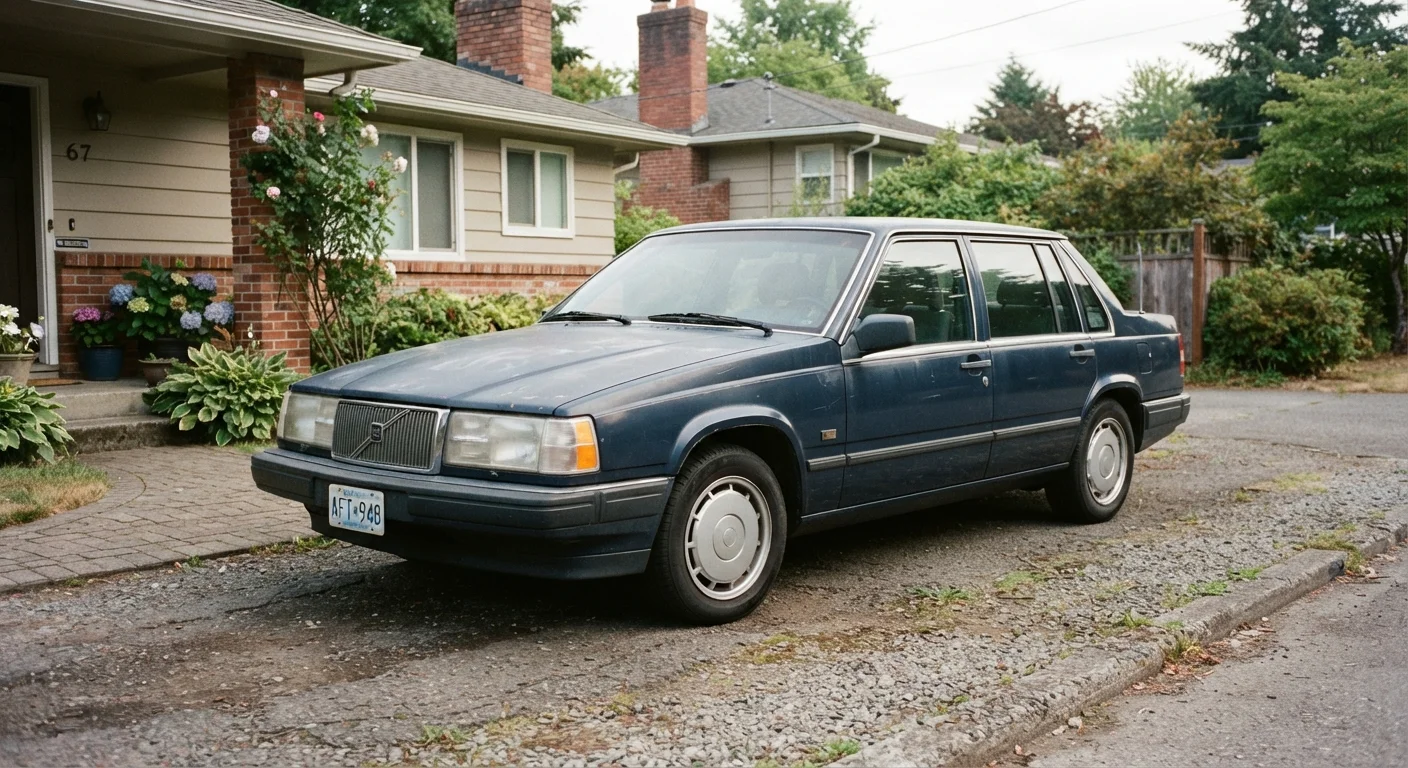
There is no single threshold that makes a car high mileage, but in practical terms, most mechanics and used-car buyers treat 100,000 miles as the point where scrutiny increases. Vehicles above 150,000 miles face a steeper hill: more wear on rubber components, more likelihood of deferred maintenance, and a shorter remaining window before major systems need attention.
Mileage alone, however, is a limited signal. A vehicle driven mostly on highways at steady speeds typically wears more evenly than one used for short stop-and-go trips. A 120,000-mile car with complete service records and recent timing belt work can be in better mechanical shape than an 80,000-mile car with no documentation. Context matters more than the number on the odometer.
For families weighing this decision alongside the broader new-versus-used question, the true cost comparison of new and used vehicles is worth reading before settling on a direction.
The real advantages
Lower purchase price, often no loan needed
A high-mileage vehicle typically costs far less than a low-mileage equivalent, sometimes enough that a family can pay cash and avoid interest charges entirely.
Depreciation has already occurred
Most of a car's value loss happens in the first few years. Buying high mileage means someone else absorbed that cost.
Lower insurance premiums on older vehicles
Comprehensive and collision coverage costs less on a car with low market value, and some owners choose to drop those coverages entirely once the vehicle ages past a certain point.
No monthly car payment frees up cash
Skipping a $300 to $500 monthly payment gives a family more flexibility to build a repair reserve or cover other household costs.
The most straightforward benefit is price. A vehicle with 110,000 miles on it typically costs significantly less than a comparable model with 40,000 miles, even when the mechanical condition is similar. That price gap can mean no loan, a smaller loan, or cash kept in an emergency fund. Avoiding a car payment of several hundred dollars a month frees up budget that can go toward the repair reserve the car will eventually need.
Depreciation also works in the buyer's favor. A car that has already shed most of its value will not lose much more in the next few years, so the financial hit of selling it later is smaller.
The real disadvantages
Higher likelihood of unexpected repairs
Rubber seals, sensors, hoses, and suspension parts all degrade with age and mileage. Failures can arrive without much warning and at inconvenient times.
Major repairs can be expensive
Transmission work, head gasket replacement, and timing chain failures can each cost more than $1,000, which can erode the original purchase price savings quickly.
Reliability gaps complicate daily logistics
An unreliable vehicle creates real problems for families with fixed daily commitments like school runs or shift work, not just a financial inconvenience.
Limited or no warranty coverage
Most high-mileage vehicles are sold as-is, meaning the buyer absorbs all repair costs from the moment of purchase.
Deferred maintenance history is common
Previous owners may have skipped oil changes, coolant flushes, or brake service, leaving hidden problems that surface only after the sale.
The clearest risk is repair frequency. Worn gaskets, aging sensors, deteriorating rubber hoses, and tired suspension components all become more likely to fail after 100,000 miles. Some of those repairs are inexpensive; others, like a transmission rebuild or a failed head gasket, can run into four figures. Families without a repair buffer can find themselves in a difficult position when the car needs $1,500 of work with little warning.
Reliability concerns also affect daily planning. A vehicle that breaks down unexpectedly is not just an expense but a disruption, especially for families with school pickups, work commutes, or caregiving responsibilities. The maintenance costs that catch new owners off guard are worth reviewing so nothing comes as a surprise.
What to inspect before buying
Paying a qualified, independent mechanic to inspect a high-mileage vehicle before purchase is one of the most cost-effective steps a buyer can take. A pre-purchase inspection typically costs between $100 and $150 and can surface problems that are not visible during a test drive.
Key areas to cover include the condition of belts and hoses, any evidence of oil or coolant leaks, the state of the brakes and suspension, transmission behavior under load, and whether the check engine light has been cleared recently to hide stored codes. Rust on the frame or floorboards in states that use road salt is worth particular attention.
Ask for the vehicle history report
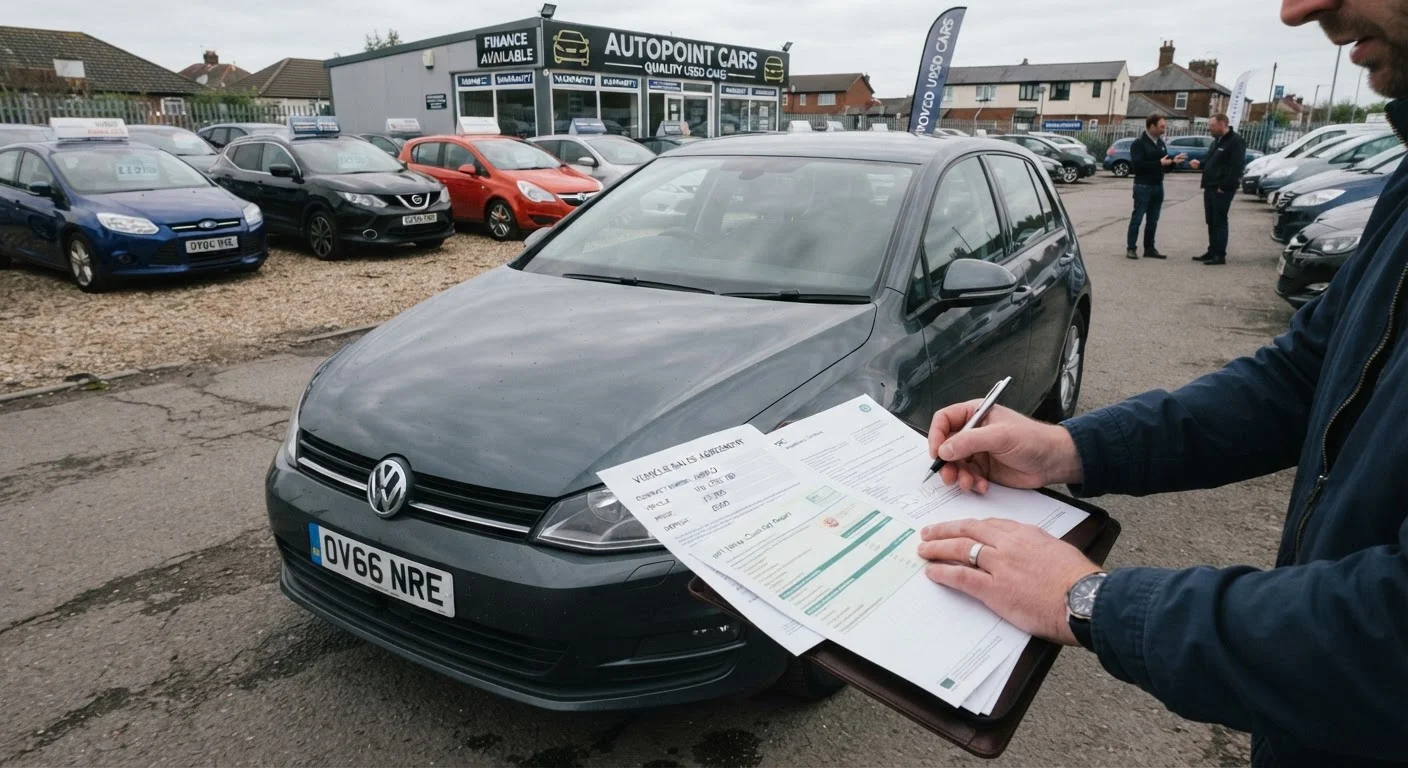
A vehicle history report from a service such as those offered through the National Motor Vehicle Title Information System (NMVTIS) can surface prior accidents, title problems, and odometer discrepancies. It does not replace a mechanical inspection, but it adds useful context. Dealers are required by federal law to disclose NMVTIS information; private sellers are not, so asking directly is worth doing.
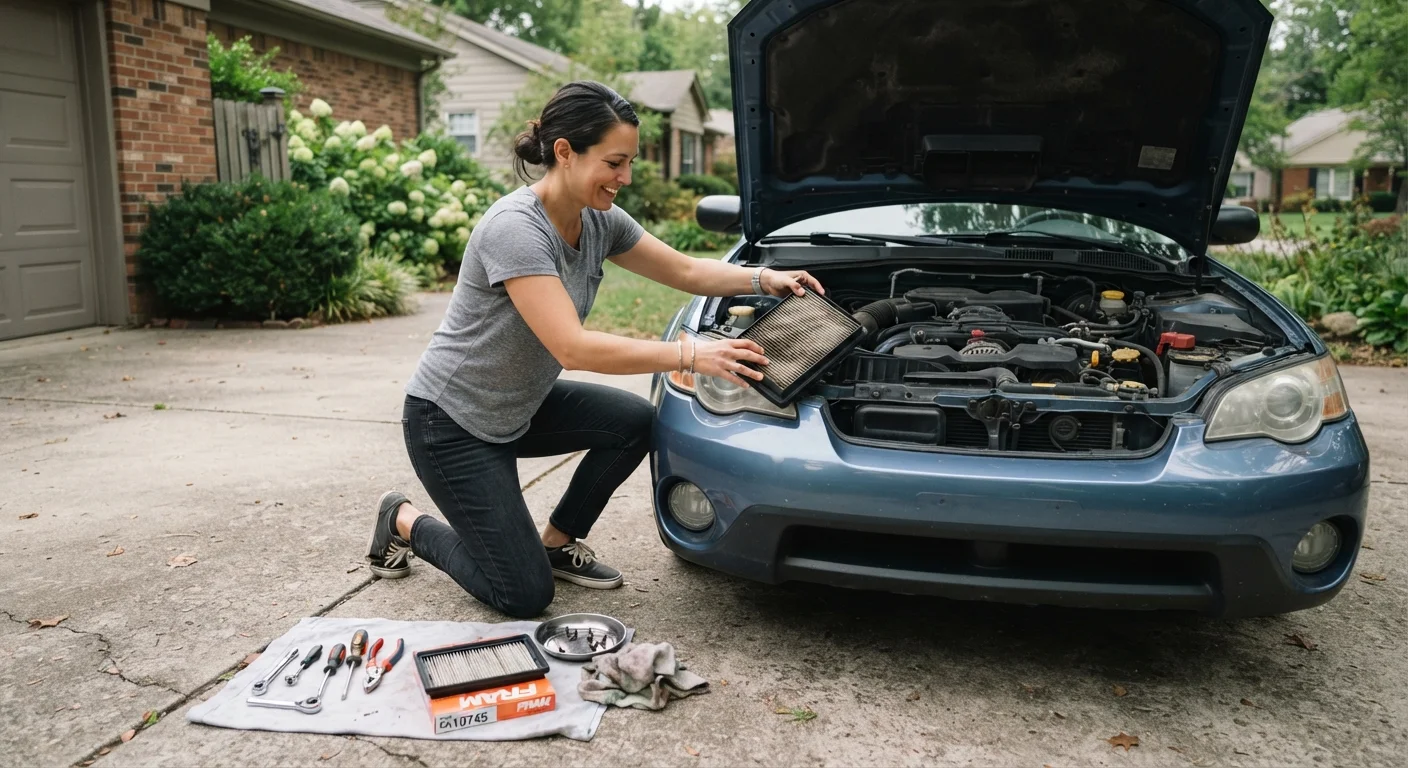
For families who want to handle minor upkeep themselves, understanding which repairs are safe to do at home versus which need a shop can reduce ongoing costs without adding safety risk.
Budgeting for ownership
A practical approach is to set aside a fixed monthly amount into a dedicated car repair fund. The right figure depends on the vehicle's age, make, and condition, but many mechanics suggest that owners of high-mileage vehicles plan for $100 to $200 per month as a general reserve. That does not mean the car will cost that every month; it means the money is there when a larger repair arrives.
Insurance costs on older high-mileage vehicles are generally lower, and many owners drop collision coverage once the car's market value falls below a level where the premium no longer makes financial sense. The tire care habits that extend the life of a set of tires are also worth following, since tires are one of the more routine but often deferred expenses on older vehicles.
~$9,000
Average annual car ownership cost in the U.S.
AAA's annual 'Your Driving Costs' study consistently estimates total ownership costs including fuel, maintenance, depreciation, and insurance for average American drivers.
200,000+
Miles some well-maintained vehicles reach
Consumer Reports has documented that certain vehicle makes, when maintained consistently, routinely exceed 200,000 miles in reliable service.