What each approach actually costs
The sticker price on a seed packet can look tiny compared to nursery transplants. A packet of tomato seeds might list 30 or more seeds for under two dollars. A single nursery transplant of the same variety often runs two to five dollars. On paper, seeds win by a wide margin.
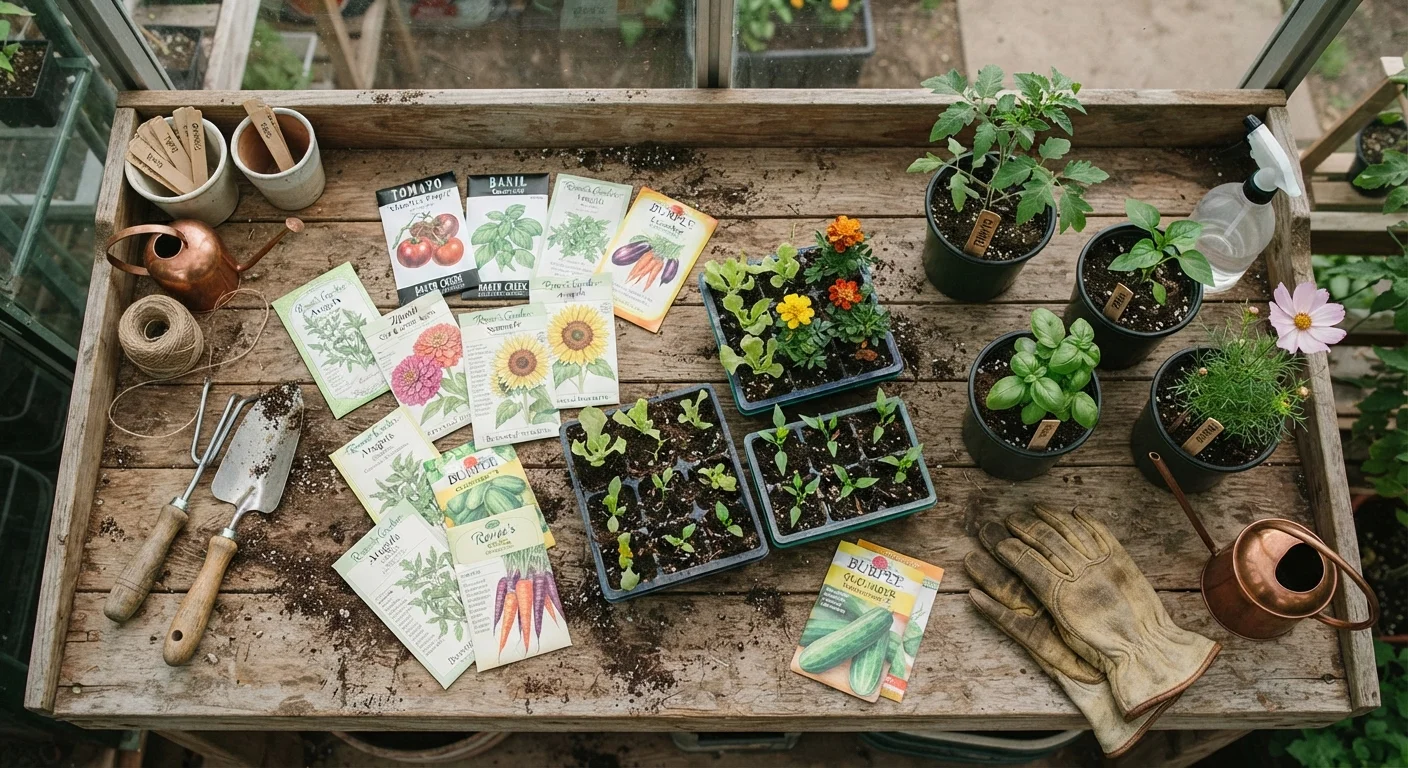
The full picture is more complicated. Growing from seed requires seed-starting mix (not the same as potting soil), plastic or paper trays or cells, and a reliable light source. A basic fluorescent or LED grow light setup costs anywhere from twenty to sixty dollars. Without adequate light, seedlings stretch thin and weak, a problem known as "damping off" or etiolation that often leads to failure. In year one, those equipment costs can narrow or erase the per-plant savings entirely.
By year two, most of that equipment is already paid for. Reusing trays and lights across multiple seasons brings the true per-plant cost of seeds down substantially. Families who plan to garden consistently for several years will generally find seed starting pays off over time.
Transplants carry no setup cost and no germination risk. What you pay at the nursery is the complete cost, with a healthy plant ready for the ground. For gardeners with a small plot, or those trying a crop for the first time, that predictability has real value.
| Criterion | Starting from seed | Buying transplants |
|---|---|---|
| Cost per plant | Very low (after equipment) | Moderate to high |
| Year-one setup cost | Moderate ($20 to $80+) | None |
| Time to outdoor planting | 6 to 10 weeks of indoor care | Ready at purchase |
| Variety selection | Hundreds of varieties | Limited to nursery stock |
| Failure risk | Higher (germination, damping off) | Lower (plant already established) |
| Best crops | Tomatoes, peppers, herbs, flowers | Same crops, small quantities |
| Poor candidates | N/A (seed works for most crops) | Carrots, beets, radishes, beans |
| Long-term savings | Grows over multiple seasons | Consistent, predictable cost |
Time and labor: the cost you cannot see on a receipt
Seed starting begins 6 to 10 weeks before the last frost date for warm-season crops like tomatoes, peppers, and eggplant. That window demands daily attention: checking moisture, adjusting light height, thinning overcrowded cells, and hardening seedlings off gradually before outdoor planting.
Transplants compress all of that work into one trip to the nursery. The nursery has already managed germination, temperature, and early growth. For families with demanding schedules, that time reduction is genuine savings even if the dollar cost is higher.
Certain crops make the choice for you. Carrots, beets, radishes, and most beans do not transplant well because they develop taproots or root systems that disturb easily. These are always direct-seeded into the garden, so the seed-versus-transplant question does not apply to them.
For crops that tolerate transplanting, peppers and celery benefit most from seed starting because they need the longest indoor head start. Cucumbers and squash, by contrast, grow so fast outdoors that buying transplants offers minimal time advantage, and seeds sown directly after frost often catch up within two weeks.
Germination rates and the math behind savings
Seed packets list germination rates, typically 75 to 90 percent for fresh, well-stored seed. A packet with 30 seeds at 80 percent germination yields roughly 24 viable seedlings. If you need only six plants, the remaining seedlings either go to neighbors, get composted, or represent capacity you never needed.
Germination rates drop as seeds age. Storing seeds in a cool, dry, dark place extends viability, but a two-year-old pepper seed packet may germinate at 50 percent or lower. Buying fresh seed each season is the safest approach but adds recurring cost.
One practical strategy: start more cells than you need and plan to give extras away or trade with other gardeners. Community seed swaps and neighborhood garden groups often welcome surplus seedlings, which turns overproduction into social capital rather than waste.
Open-pollinated seeds and seed saving
Hybrid seed varieties, marked as F1 on packets, do not produce true-to-type offspring. If you want to save seeds from your own plants to use next season, look for open-pollinated or heirloom varieties instead. Successfully saving seed from tomatoes, beans, or squash can bring your recurring seed cost close to zero, though it requires proper drying and storage. Seed saving from hybrid plants is not recommended, as the next generation will not reliably match the parent plant.
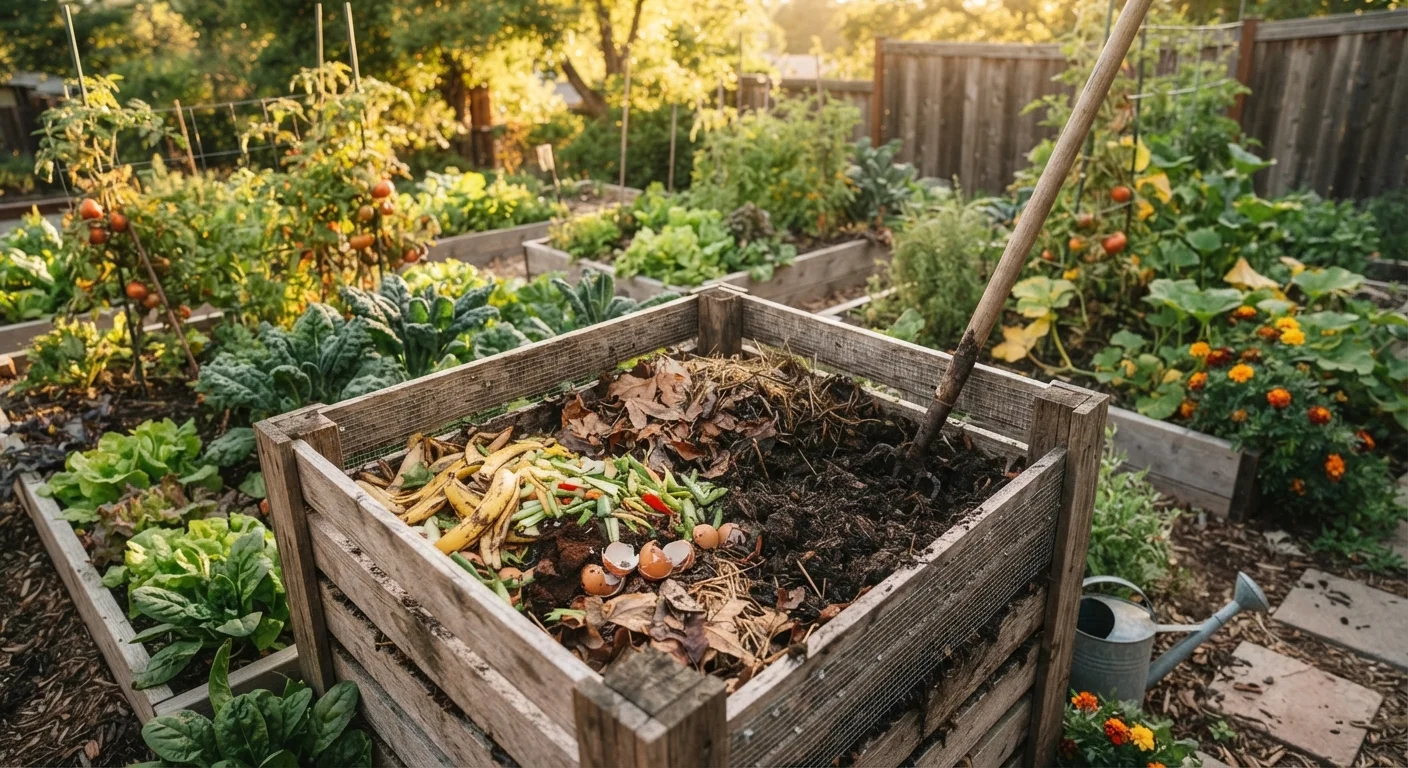
For families already building a productive growing setup, pairing seed starting with quality soil amendments pays extra dividends. See our guide on composting at home for a practical look at making free fertilizer from kitchen scraps.
When to combine both approaches
Many experienced home gardeners use seeds and transplants together rather than choosing one exclusively. A common pattern: start tomatoes, peppers, and any unusual heirloom varieties from seed to capture the cost and variety benefits, then buy two or three nursery transplants of any crop that failed to germinate or where the seedlings are lagging.
This hybrid approach controls risk without giving up savings. It also lets families try seed starting on a modest scale before committing to a full indoor setup.
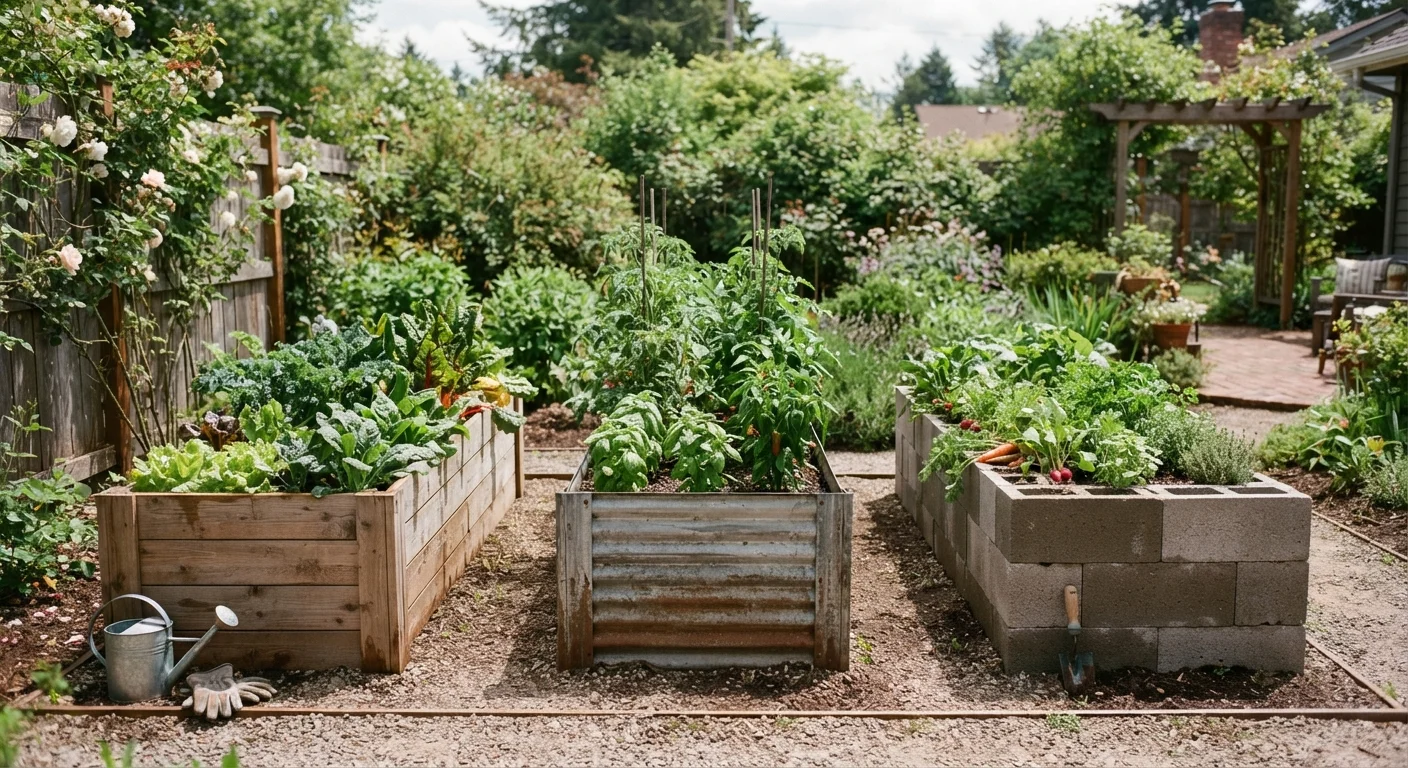
If you are also deciding what structure to grow in, the material choices for that structure follow similar trade-off logic. Our comparison of raised garden bed materials covers cost, durability, and build difficulty for wood, galvanized steel, and concrete block options.
The right mix depends on how much space you have, which crops you grow most, and whether your indoor environment can support seedlings. Neither approach is universally superior; the better question is which one fits your actual setup and gardening goals this season.