Why grocery bills creep up without obvious cause
For most families, groceries are one of the largest monthly expenses after housing and transportation. Unlike a car payment or a utility bill, grocery spending has no fixed number. It shifts every week, which makes it hard to see when it is running over budget.
The patterns that inflate grocery bills are rarely dramatic. They are small, repeated decisions made under time pressure in an environment designed to encourage spending. Identifying those patterns is the first step to spending less without eating worse.
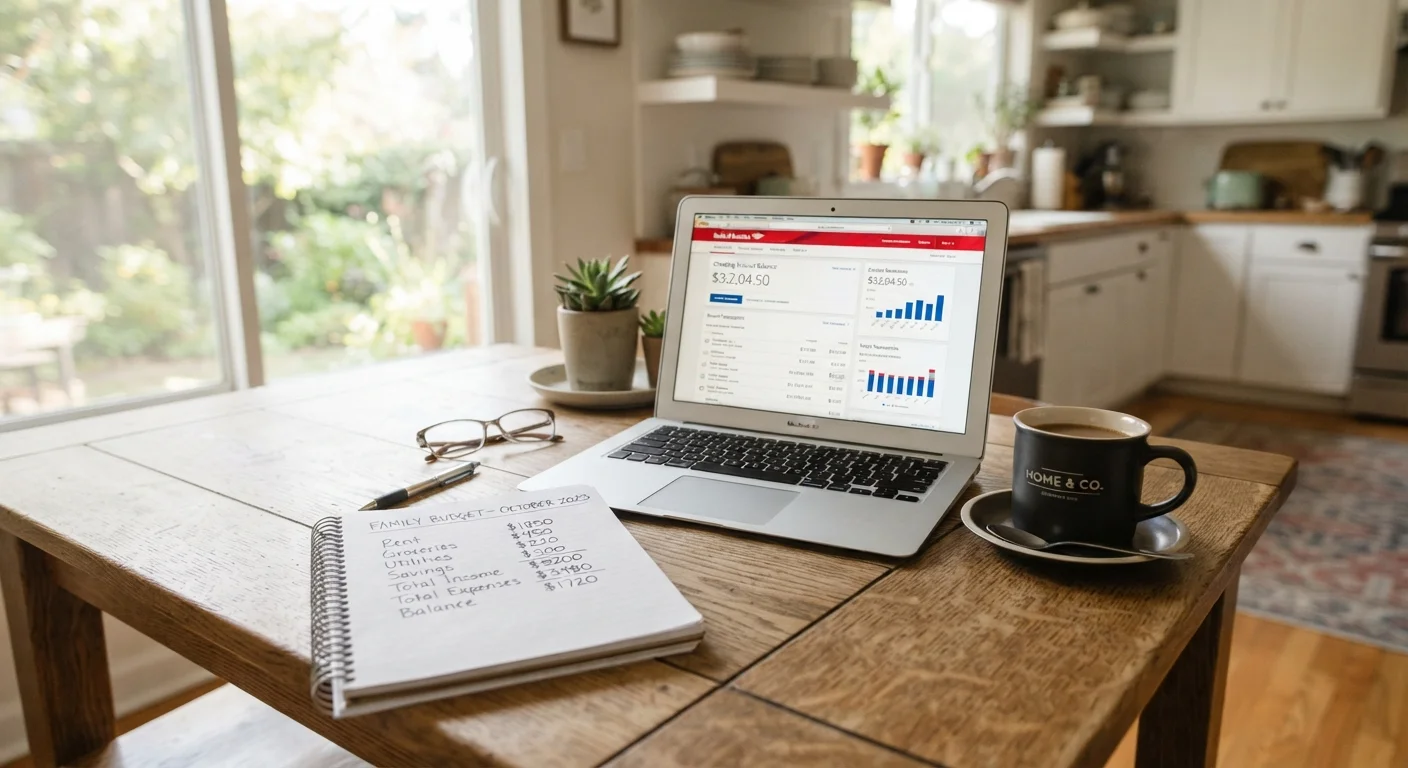
For a broader picture of how food spending fits alongside other household costs, see how a typical family budget breaks down by category.
~10%
Average food-at-home share of family spending
The U.S. Bureau of Labor Statistics Consumer Expenditure Survey consistently shows food at home represents roughly 8 to 10 percent of average household expenditures.
20-40%
Typical store-brand unit price savings
Consumer research from the Food Marketing Institute has found store-brand products commonly price 20 to 40 percent below comparable name-brand items on a unit-price basis.
The spending mistakes that add up quietly
The following errors appear routinely in household grocery spending. None of them is dramatic on a single shopping trip. Across a month or a year, the totals are significant.
Ignoring unit prices and focusing only on the total shelf price.
Why it happens: The total price is printed large and easy to read. Unit pricing is typically small, in a different location on the label, and requires a quick mental calculation that most shoppers skip under time pressure.
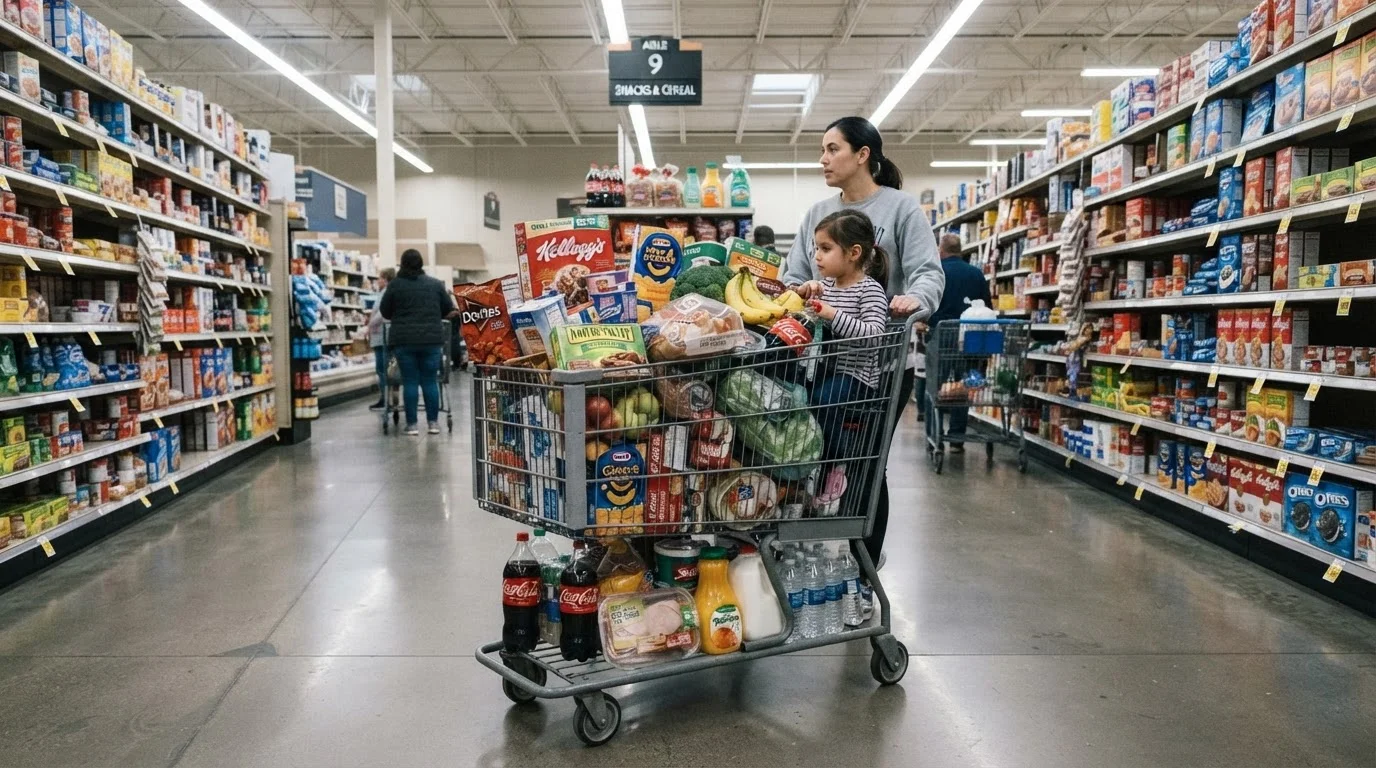
Shopping without a list and a rough spending ceiling.
Why it happens: Stores are laid out to maximize browsing time. End caps, eye-level product placement, and in-store promotions are all designed to prompt unplanned purchases. Without a concrete list, every aisle becomes a decision point.
Paying a significant markup for pre-cut, pre-washed, or pre-portioned convenience foods.
Why it happens: Time-pressed families reach for ready-to-cook options without comparing the price against whole versions of the same ingredient. The markup for cutting a pineapple or shredding a cabbage can be 200 to 300 percent in some stores.
Assuming sale prices and loyalty discounts always represent real savings.
Why it happens: Promotional pricing creates a sense of urgency and value. Shoppers often buy more of an item than they need because it is on sale, without checking whether the sale price is actually lower than the regular price at a competing store.
Not tracking grocery spending against a monthly budget category.
Why it happens: Grocery purchases feel necessary and variable, so many families skip tracking them. Small overages each week compound into a meaningful budget gap by month's end.
Unit price is the number that matters
The shelf tag's total price tells you almost nothing about value. Always check the unit price (cost per ounce, per pound, or per count) printed in small type on the shelf label. A larger package can cost more per unit than a smaller one, and store brands often undercut name-brand unit prices by 20 to 40 percent. If the unit price is not displayed, divide the total price by the package size yourself.
What consistent habits actually change
Cutting grocery spending does not require extreme couponing or driving to five different stores. The families that reliably spend less on food tend to do a small number of things consistently: they check unit prices, they shop with a list, and they track what they spend against a monthly target.
Convenience-format foods are worth a separate look. Buying less-processed ingredients does not require a larger budget; in many cases, it requires a smaller one. Whole grains, dried legumes, and seasonal produce typically cost less per serving than packaged equivalents while delivering comparable or better nutritional value.
Buying in bulk does not always save money
Warehouse club quantities make sense for shelf-stable staples your household reliably consumes. For perishables, over-buying often leads to waste that cancels any savings. Track what your family actually finishes before committing to large-format packages.
Grocery spending is one of the most controllable expense categories in a family budget. Small, repeated adjustments to how you shop compound over time in a way that one-time deals never do. This article is for general informational purposes and is not personalized financial advice. For guidance specific to your household finances, consult a qualified financial professional.